The practical answer
Marketing attention may fail to become enquiries when the audience is unsuitable, the offer is unclear, evidence is missing or the next step feels difficult. Review the full journey from the post, search result or introduction to the website and sales conversation. Attention is a starting signal; it is not the same measure as commercial intent.
Attention needs a commercial context
I want people to see the work we are doing. Visibility matters. But I also want to know who is paying attention, what they understand about the offer and whether they have a reason to continue.
A post that reaches thousands of people and a page that brings one relevant buyer into a conversation are doing different jobs. The right measure depends on the objective, rather than whichever figure looks largest in a report.
Check whether you are reaching the right people
If the activity attracts people who are unlikely to need or buy the service, more reach may not improve the enquiry picture. Start with the audience and the problem the content addresses.
Look at the questions behind replies, the roles of the people engaging and the work that recent enquiries concern. You are looking for evidence of fit, rather than assuming every interaction has equal value.
Make the service clear after the first click
Someone can enjoy a post and still have little idea what working with you would involve. Your service page needs to explain the offer, who it is for, what the work covers and how a customer takes the next step.
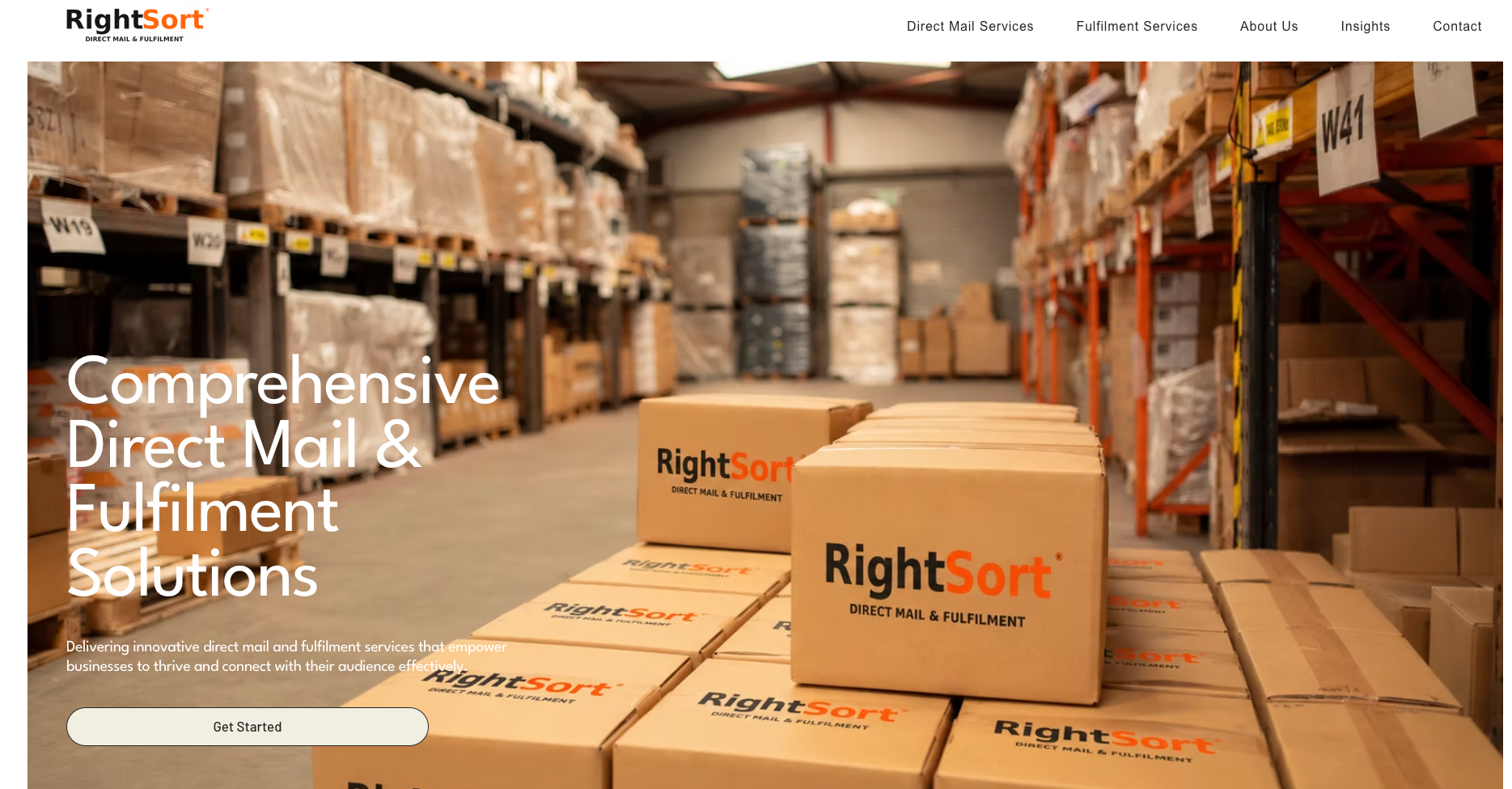
That is why specific service content matters. In RightSort’s commercial reset, the website gives direct mail and fulfilment services a clearer place in the customer journey. It helps connect the business’s capability with a relevant enquiry.
Show the experience behind the promise
Claims such as experienced, strategic or results-focused are easy to make. A case study can show the challenge, the work and the commercial reasoning behind it. It gives a prospect something more concrete to assess.
Use evidence you can substantiate. Explain your own role, separate reported outcomes from assumptions and avoid making a previous client’s experience sound like a guaranteed result for the next business.
Give the reader an appropriate next step
A visitor may be ready to enquire, want to understand the service or need a relevant example first. The page should make those routes easy to find. A clear enquiry option works better when the reader knows what they are enquiring about.
Then check the operational journey. Does the form work? Who receives the enquiry? How quickly is it followed up? Marketing cannot complete the sales process if the enquiry is lost after submission.
Review the journey rather than one number
Connect the source of attention with website visits, suitable enquiries, conversations and opportunities where your measurement allows. Be clear about what is tracked and what remains unknown.
My starting point would be a review of the audience, the message, the destination page and the follow-up. That gives you practical decisions to make before adding more spend or choosing another channel.
Explore the work behind the thinking
Read the relevant client case study to see the commercial context and the work involved. Every business has a different starting point; a case study is experience to assess, rather than a promise of the same outcome.
Questions business owners ask
Does low enquiry volume mean the marketing is failing?
Not on its own. The objective, audience, buying cycle and measurement all matter. You need to understand whether the activity is reaching suitable prospects and what happens next.
Should every post ask people to book a call?
No. Some content builds understanding or answers a question. The next step should fit the reader’s context and the purpose of the content.
Weekly series edition: 21 October 2026. First published on this website: 26 October 2026.